Explore Paths of Potential.
Not sure where you belong yet? Start here.
Pick a role, see what it takes, and where it can lead.
Melt Operator · CNC Machinist · Mold Maker · Pattern Maker · Foundry Technician ·
Furnace Operator · Die Cast Technician · Maintenance Technician· Industrial Electrician ·
Grinder · Quality Inspector · Lab Technician · Tooling Specialist · Safety Coordinator ·
Process Engineer · Automation Engineer · Robotics Technician · Metallurgist·
Melt Operator
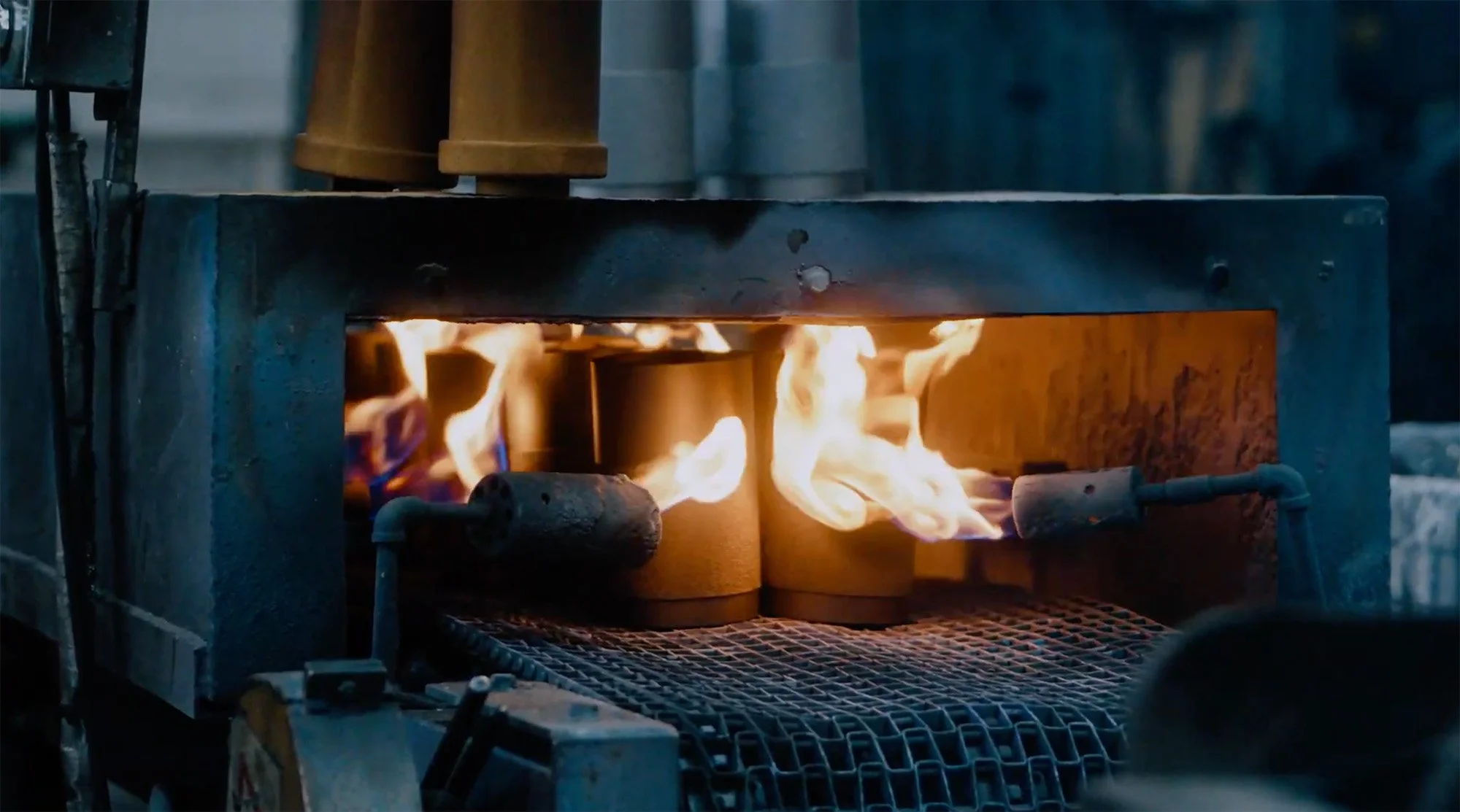
A melt operator is responsible for melting, alloying, and preparing metal for the casting process. They oversee furnaces and melting equipment, ensuring molten metal reaches the correct temperature and chemical composition before it is poured into molds. Their work is critical to producing high-quality castings that meet customer specifications and performance requirements.
On a typical day, melt operators charge furnaces with raw materials, add alloys, monitor temperatures, collect samples for testing, and make adjustments to maintain quality standards. They work closely with quality and production teams while following strict safety procedures around high-temperature equipment.
As they gain experience, melt operators often move into lead operator, metallurgical technician, or supervisory roles. The technical knowledge gained in the melt department can also provide pathways into engineering, quality, and plant leadership positions.
What this path can look like:
Starting roles: Melt Helper, Production Operator, Furnace Assistant
Next steps: Melt Operator, Lead Melt Operator, Melt Technician
Long-term paths: Metallurgist, Melt Supervisor, Process Engineer, Operations Manager
Earning potential:
Entry-level: $40,000–$55,000
Mid-level: $55,000–$80,000
Advanced: $80,000–$100,000+
EDUcation paths:
Start right out of high school
On-the-job training
Apprenticeship programs
Technical/trade programs
2-year engineering technology degree
CNC MACHINIST
A CNC machinist uses computer-controlled machines to create precision components and tooling used throughout the manufacturing process. Their work helps ensure molds, dies, fixtures, and production parts are built to exact specifications.
CNC machinists interpret blueprints, set up machines, select cutting tools, monitor production runs, and inspect finished parts. They combine technical knowledge, computer skills, and precision measurement techniques to produce high-quality components used across numerous industries.
The demand for skilled CNC machinists continues to grow as manufacturing becomes more advanced. Career progression can lead to programming, tool design, manufacturing engineering, and management positions.
What this path can look like:
Starting roles: Machine Operator, CNC Trainee
Next steps: CNC Machinist, Setup Technician, CNC Programmer
Long-term paths: Manufacturing Engineer, Tooling Manager, Operations Leadership
Earning potential:
Entry-level: $40,000–$55,000
Mid-level: $55,000–$75,000
Advanced: $75,000–$100,000+
EDUcation paths:
High school diploma
Apprenticeship programs
Technical/trade school
Manufacturing technology degree
MOLD MAKER
A mold maker creates and maintains the molds used to produce metal castings. These highly skilled professionals build tooling that directly impacts product quality, production efficiency, and customer satisfaction.
Mold makers work from engineering drawings and CAD models to machine, assemble, modify, and repair molds. They use a combination of traditional craftsmanship and advanced manufacturing technologies to ensure molds perform reliably throughout production.
Because mold makers possess specialized technical skills, they are highly valued throughout manufacturing. Many advance into tooling management, engineering, product development, and leadership positions.
What this path can look like:
Starting roles: Apprentice, Tool Room Assistant
Next steps: Mold Maker, Senior Mold Maker
Long-term paths: Tooling Engineer, Engineering Manager, Operations Leadership
Earning potential:
Entry-level: $45,000–$60,000
Mid-level: $60,000–$85,000
Advanced: $85,000–$110,000+
EDUcation paths:
Apprenticeship programs
Technical/trade schools
Manufacturing technology programs
Engineering degrees
PATTERN MAKER
A pattern maker designs and builds the patterns used to create molds for metal castings. Every casting begins with a pattern, making this role one of the most important skilled trades within the foundry industry.
Pattern makers use engineering drawings, CAD software, woodworking tools, CNC equipment, and fabrication techniques to create highly accurate replicas of finished products. Their work directly impacts casting quality and production success.
Experienced pattern makers often move into tooling design, engineering support, product development, and management roles. Their combination of craftsmanship and technical expertise makes them valuable contributors to manufacturing teams.
What this path can look like:
Starting roles: Pattern Shop Assistant, Apprentice
Next steps: Pattern Maker, CNC Pattern Maker
Long-term paths: Tooling Engineer, Product Development Specialist, Manufacturing Leadership
Earning potential:
Entry-level: $40,000–$55,000
Mid-level: $55,000–$80,000
Advanced: $80,000–$100,000+
EDUcation paths:
High school diploma
Apprenticeship programs
Technical/trade schools
Manufacturing technology programs
FOUNDRY TECHNICIAN
A foundry technician supports the production of high-quality metal castings by monitoring processes, collecting data, conducting inspections, and helping ensure manufacturing operations run efficiently. They often work across multiple departments, gaining a broad understanding of how a foundry operates and how each process contributes to the final product.
On a typical day, foundry technicians may assist with process monitoring, quality testing, troubleshooting production issues, maintaining equipment, and documenting results. They work closely with production, engineering, and quality teams to identify opportunities for improvement and ensure products meet customer requirements.
Because they develop a strong understanding of foundry operations, technicians often advance into engineering, quality, supervision, and management positions. This role provides an excellent foundation for individuals interested in both the technical and operational sides of manufacturing.
What this path can look like:
Starting roles: Production Technician, Quality Technician, Foundry Trainee
Next steps: Foundry Technician, Process Technician, Lead Technician
Long-term paths: Process Engineer, Quality Manager, Operations Leadership
Earning potential:
Entry-level: $40,000–$55,000
Mid-level: $55,000–$75,000
Advanced: $75,000–$100,000+
EDUcation paths:
High school diploma
Technical certifications
Associate degrees
Engineering technology programs
Engineering degrees
FURNACE OPERATOR
A furnace operator manages the equipment used to heat and melt metals for casting and manufacturing operations. They ensure furnaces operate safely and efficiently while maintaining the temperatures and conditions needed to produce quality molten metal.
Daily responsibilities include loading materials, monitoring furnace performance, taking temperature readings, maintaining equipment, and coordinating with melt and production teams. Furnace operators play a critical role in ensuring production schedules are met while maintaining safety and quality standards.
Experienced furnace operators often advance into lead operator, melt technician, supervisory, or metallurgical roles. The skills developed in this position provide a strong foundation for many technical and leadership careers within manufacturing.
What this path can look like:
Starting roles: Furnace Helper, Production Operator, Melt Assistant
Next steps: Furnace Operator, Lead Furnace Operator
Long-term paths: Melt Supervisor, Metallurgical Technician, Operations Manager
Earning potential:
Entry-level: $40,000–$55,000
Mid-level: $55,000–$75,000
Advanced: $75,000–$95,000+
EDUcation paths:
Start right out of high school
On-the-job training
Apprenticeships
Technical training programs
DIE CAST TECHNICAN
A die cast technician operates and maintains the equipment used to produce precision metal components through the die casting process. They set up machines, monitor production runs, adjust process settings, and ensure castings meet quality standards.
The role combines technical knowledge with hands-on problem solving. Die cast technicians inspect equipment, troubleshoot production issues, perform die changes, and work closely with quality and maintenance teams to improve efficiency and reduce scrap.
Successful die cast technicians are detail-oriented, mechanically inclined, and comfortable working with advanced manufacturing technology. As they gain experience, opportunities can lead to specialized technical roles, engineering support positions, supervision, and operations leadership.
What this path can look like:
Starting roles: Machine Operator, Production Technician, Die Cast Trainee
Next steps: Die Cast Technician, Setup Technician, Lead Technician
Long-term paths: Process Engineer, Production Supervisor, Operations Manager
Earning potential:
Entry-level: $40,000–$55,000
Mid-level: $55,000–$75,000
Advanced: $75,000–$95,000+
EDUcation paths:
Start right out of high school
Technical or trade school programs
Apprenticeships
Manufacturing technology degrees
MAINTENANCE TECHNICIAN
A maintenance technician keeps foundry equipment, machinery, and systems operating safely and efficiently. They inspect, repair, troubleshoot, and maintain production equipment to minimize downtime and support reliable operations.
The role requires strong mechanical skills and the ability to diagnose problems quickly. Maintenance technicians perform preventative maintenance, install equipment, respond to breakdowns, and work with production teams to keep manufacturing processes running smoothly.
Successful maintenance technicians are hands-on problem solvers who enjoy working with tools and technology. Career opportunities often include reliability engineering, maintenance management, and plant leadership.
What this path can look like:
Starting roles: Maintenance Helper, Apprentice, Technician Trainee
Next steps: Maintenance Technician, Senior Technician, Maintenance Planner
Long-term paths: Maintenance Manager, Reliability Engineer, Plant Manager
Earning potential:
Entry-level: $45,000–$60,000
Mid-level: $60,000–$85,000
Advanced: $85,000–$110,000+
EDUcation paths:
High school diploma
Apprenticeships
Trade school programs
Technical degrees
iNDUSTRIAL eLECTRICIAN
An industrial electrician installs, maintains, and repairs the electrical systems that power modern manufacturing facilities. They work with motors, control panels, sensors, programmable logic controllers (PLCs), and automated production equipment.
The role requires a strong understanding of electrical systems and troubleshooting techniques. Industrial electricians diagnose electrical issues, perform preventative maintenance, upgrade equipment, and support automation projects that improve productivity and reliability.
As manufacturing continues to become more automated, skilled industrial electricians are increasingly in demand. Their expertise can lead to careers in controls, automation, engineering support, and leadership positions.
What this path can look like:
Starting roles: Electrical Apprentice, Maintenance Assistant, Electrical Technician
Next steps: Industrial Electrician, Controls Technician, Lead Electrician
Long-term paths: Automation Specialist, Maintenance Manager, Engineering Support
Earning potential:
Entry-level: $50,000–$65,000
Mid-level: $65,000–$90,000
Advanced: $90,000–$120,000+
EDUcation paths:
Apprenticeship programs
Trade schools
Associate degrees
Engineering degrees
grinder
A grinder helps transform rough castings into finished products by removing excess material, smoothing surfaces, and preparing parts for inspection or shipment. Their work is often one of the final steps before a casting reaches a customer.
Grinders use hand tools, power equipment, and finishing machinery to remove gates, runners, flash, and other imperfections. They carefully inspect parts and ensure castings meet quality requirements while maintaining productivity and safety standards.
The skills developed in finishing operations provide a strong foundation for careers in quality, production, supervision, and manufacturing leadership. Many successful manufacturing professionals begin their careers in hands-on production roles like grinding.
What this path can look like:
Starting roles: Production Worker, Finishing Operator, Grinder Trainee
Next steps: Grinder, Finishing Specialist, Lead Finisher
Long-term paths: Quality Inspector, Production Supervisor, Operations Manager
Earning potential:
Entry-level: $35,000–$50,000
Mid-level: $50,000–$65,000
Advanced: $65,000–$80,000+
EDUcation paths:
Start right out of high school
On-the-job training
Technical training programs
Manufacturing certifications
quality inspector
A quality inspector ensures castings meet customer requirements and industry standards before they move to the next stage of production or shipment. Their work helps manufacturers maintain consistency, reliability, and customer satisfaction.
Quality inspectors use measuring tools, gauges, visual inspections, and testing procedures to verify dimensions, appearance, and performance requirements. They document results, identify defects, investigate root causes, and work with production teams to improve processes and reduce errors.
Successful quality inspectors develop strong analytical and problem-solving skills that can lead to opportunities in quality engineering, process improvement, supplier quality, and management. Their role is critical in protecting both product quality and a company's reputation.
What this path can look like:
Starting roles: Inspection Assistant, Production Technician, Quality Trainee
Next steps: Quality Inspector, Quality Technician, Quality Specialist
Long-term paths: Quality Engineer, Quality Manager, Plant Leadership
Earning potential:
Entry-level: $40,000–$55,000
Mid-level: $55,000–$75,000
Advanced: $75,000–$100,000+
EDUcation paths:
High school diploma
Technical certifications
Associate degrees
Engineering technology programs
Engineering degrees
lab technician
A lab technician performs scientific testing and analysis on metals, alloys, molding materials, and finished castings to ensure products meet quality and performance standards. Their work helps manufacturers understand material properties and maintain process consistency.
Daily responsibilities may include collecting samples, conducting mechanical and chemical tests, preparing reports, calibrating equipment, and supporting quality investigations. Lab technicians use specialized instruments and testing procedures to provide accurate data that guides manufacturing decisions.
The technical knowledge gained in this role can lead to careers in metallurgy, materials engineering, quality management, and research and development. It is an excellent career path for individuals who enjoy science, technology, and hands-on problem solving.
What this path can look like:
Starting roles: Laboratory Assistant, Quality Technician, Testing Technician
Next steps: Lab Technician, Testing Specialist, Senior Technician
Long-term paths: Metallurgist, Materials Engineer, Quality Manager
Earning potential:
Entry-level: $40,000–$55,000
Mid-level: $55,000–$75,000
Advanced: $75,000–$95,000+
EDUcation paths:
Technical training programs
Associate degrees
Materials science programs
Engineering degrees
Tooling Specialist
A tooling specialist designs, builds, maintains, and improves the molds, dies, fixtures, and tooling systems used throughout the manufacturing process. Their work directly impacts productivity, product quality, and manufacturing efficiency.
Tooling specialists work closely with production and engineering teams to troubleshoot tooling issues, implement improvements, and ensure equipment performs reliably. They often use CAD software, machining equipment, precision measuring tools, and advanced manufacturing technologies to support production operations.
Because tooling plays a critical role in manufacturing success, experienced tooling specialists are highly valued and often advance into engineering, tooling management, product development, and operations leadership positions.
What this path can look like:
Starting roles: Tool Room Assistant, Apprentice, CNC Operator
Next steps: Tooling Specialist, Toolmaker, Lead Tooling Specialist
Long-term paths: Tooling Engineer, Engineering Manager, Operations Leadership
Earning potential:
Entry-level: $45,000–$60,000
Mid-level: $60,000–$85,000
Advanced: $85,000–$110,000+
EDUcation paths:
Apprenticeships
Technical and trade schools
Manufacturing technology programs
Engineering degrees
Safety Coordinator
A safety coordinator helps create and maintain a workplace where employees can perform their jobs safely and confidently. They develop safety programs, conduct training, investigate incidents, and ensure compliance with workplace regulations and company policies.
Daily responsibilities include performing safety audits, leading employee training sessions, monitoring workplace hazards, coordinating emergency preparedness activities, and promoting a culture of safety throughout the organization. Their work helps protect employees while supporting operational excellence.
Safety coordinators often advance into environmental health and safety (EHS), compliance, risk management, and leadership positions. As companies place greater emphasis on workplace safety and employee well-being, demand for safety professionals continues to grow.
What this path can look like:
Starting roles: Safety Assistant, HR Coordinator, Production Team Member
Next steps: Safety Coordinator, EHS Specialist, Safety Manager
Long-term paths: EHS Director, Operations Manager, Plant Manager
Earning potential:
Entry-level: $45,000–$60,000
Mid-level: $60,000–$85,000
Advanced: $85,000–$115,000+
EDUcation paths:
Safety certifications
Technical programs
Occupational safety degrees
Environmental health and safety programs
Business and management degrees
Process Engineer
A process engineer develops, analyzes, and improves manufacturing processes to increase quality, productivity, safety, and efficiency. They work throughout the foundry to identify opportunities for improvement and implement solutions that help the company produce better products at lower cost.
Process engineers use data, problem-solving skills, and technical knowledge to optimize production methods, reduce waste, improve yields, and troubleshoot manufacturing challenges. They collaborate closely with production, quality, maintenance, and engineering teams to ensure processes perform consistently and meet customer requirements.
Because they develop a broad understanding of manufacturing operations, process engineers often advance into engineering management, operations leadership, and executive roles. Their ability to drive continuous improvement makes them valuable contributors to any manufacturing organization.
What this path can look like:
Starting roles: Engineering Intern, Engineering Technician, Process Analyst
Next steps: Process Engineer, Senior Process Engineer
Long-term paths: Engineering Manager, Operations Manager, Plant Manager
Earning potential:
Entry-level: $65,000–$80,000
Mid-level: $80,000–$110,000
Advanced: $110,000–$150,000+
EDUcation paths:
4-year engineering degree
Manufacturing engineering programs
Industrial engineering programs
Engineering certifications
automation engineer
An automation engineer designs and implements technology that improves manufacturing performance through automation, controls, sensors, and data-driven systems. Their work helps manufacturers improve quality, increase productivity, and reduce repetitive tasks.
Automation engineers develop solutions that integrate machines, software, robotics, and control systems into efficient manufacturing operations. They analyze production challenges, design automated processes, support equipment installations, and work closely with operations teams to maximize performance.
As manufacturing continues to embrace advanced technology, automation engineers are among the most sought-after professionals in the industry. Their expertise can lead to leadership roles in engineering, operations, technology development, and innovation management.
What this path can look like:
Starting roles: Engineering Technician, Controls Technician, Automation Intern
Next steps: Automation Engineer, Controls Engineer
Long-term paths: Engineering Manager, Technology Director, Operations Leadership
Earning potential:
Entry-level: $70,000–$90,000
Mid-level: $90,000–$120,000
Advanced: $120,000–$160,000+
EDUcation paths:
Electrical engineering degree
Mechanical engineering degree
Automation and controls programs
Engineering certifications
robotics technician
A robotics technician installs, programs, maintains, and troubleshoots robotic systems used in modern manufacturing environments. Their work helps manufacturers improve safety, consistency, and efficiency while supporting advanced production technologies.
Daily responsibilities include maintaining robotic equipment, diagnosing problems, programming robotic movements, supporting system upgrades, and working with engineering teams to optimize performance. Robotics technicians combine mechanical, electrical, and computer skills to keep automated systems operating at peak performance.
As automation continues to expand across manufacturing, robotics technicians are in high demand. Experience in this role can lead to careers in automation engineering, controls engineering, manufacturing technology, and technical leadership.
What this path can look like:
Starting roles: Automation Assistant, Maintenance Technician, Robotics Trainee
Next steps: Robotics Technician, Automation Specialist
Long-term paths: Automation Engineer, Controls Engineer, Engineering Manager
Earning potential:
Entry-level: $50,000–$65,000
Mid-level: $65,000–$90,000
Advanced: $90,000–$120,000+
EDUcation paths:
Technical and trade school programs
Robotics certifications
Associate degrees
Engineering technology degrees
metallurgist
A metallurgist studies the behavior and properties of metals and alloys to ensure castings meet performance, quality, and customer requirements. Their expertise helps manufacturers select materials, improve processes, and solve technical challenges.
Metallurgists analyze material performance, conduct failure investigations, support quality programs, and develop solutions that improve product reliability. They often work in laboratories and production environments, using advanced testing equipment and scientific principles to understand how materials perform under different conditions.
Because materials are at the heart of manufacturing, metallurgists play a critical role in industries ranging from aerospace and defense to automotive and energy. Career opportunities often lead to technical leadership, research and development, engineering management, and executive positions.
What this path can look like:
Starting roles: Lab Technician, Metallurgy Technician, Engineering Intern
Next steps: Metallurgist, Senior Metallurgist
Long-term paths: Technical Director, Engineering Manager, Vice President of Engineering
Earning potential:
Entry-level: $65,000–$85,000
Mid-level: $85,000–$120,000
Advanced: $120,000–$170,000+
EDUcation paths:
Materials science degree
Metallurgical engineering degree
Engineering programs
Advanced graduate degrees
Shape
materials engineer
A materials engineer develops, evaluates, and improves the materials used in manufacturing products. They study how metals and other materials perform in different environments and help ensure products meet demanding performance requirements.
Materials engineers conduct testing, analyze failures, support product development, and collaborate with customers and manufacturing teams to select the right materials for specific applications. Their work influences everything from product durability and safety to performance and sustainability.
As industries continue to demand lighter, stronger, and more advanced materials, materials engineers play an increasingly important role in innovation. Their expertise can lead to research and development, engineering leadership, and executive management opportunities.
What this path can look like:
Starting roles: Engineering Intern, Lab Technician, Materials Analyst
Next steps: Materials Engineer, Senior Materials Engineer
Long-term paths: Research Director, Engineering Manager, Technical Executive
Earning potential:
Entry-level: $70,000–$90,000
Mid-level: $90,000–$120,000
Advanced: $120,000–$170,000+
EDUcation paths:
Materials science degree
Engineering degree
Graduate research programs
Advanced engineering certifications
manufacturing engineer
A manufacturing engineer develops systems and processes that improve the way products are made. Their work focuses on increasing efficiency, improving quality, reducing costs, and helping manufacturers remain competitive in a rapidly evolving industry.
Manufacturing engineers analyze production workflows, design manufacturing systems, evaluate equipment, and lead improvement projects. They work closely with production teams to identify opportunities for innovation and implement solutions that enhance operational performance.
The broad skill set developed in this role provides opportunities for advancement into operations management, engineering leadership, plant management, and executive positions. Manufacturing engineers often serve as the bridge between technology and production.
What this path can look like:
Starting roles: Engineering Intern, Process Technician, Manufacturing Analyst
Next steps: Manufacturing Engineer, Senior Manufacturing Engineer
Long-term paths: Engineering Manager, Operations Manager, Plant Manager
Earning potential:
Entry-level: $65,000–$85,000
Mid-level: $85,000–$115,000
Advanced: $115,000–$150,000+
EDUcation paths:
Manufacturing engineering degree
Mechanical engineering degree
Industrial engineering degree
Engineering certifications
casting engineer
A casting engineer specializes in the design, development, and optimization of metal casting processes. They work to ensure castings meet customer requirements while maximizing quality, efficiency, and manufacturability.
Casting engineers collaborate with customers, designers, metallurgists, and production teams to develop casting solutions for complex applications. They use simulation software, engineering analysis, and manufacturing expertise to improve designs, troubleshoot issues, and support product launches.
Because castings are used in critical industries such as aerospace, defense, transportation, medical devices, and energy, casting engineers play a vital role in developing products that impact everyday life. Their expertise often leads to technical leadership, engineering management, and executive opportunities.
What this path can look like:
Starting roles: Engineering Intern, Process Technician, Metallurgy Technician
Next steps: Casting Engineer, Senior Casting Engineer
Long-term paths: Chief Engineer, Technical Director, Vice President of Operations
Earning potential:
Entry-level: $70,000–$90,000
Mid-level: $90,000–$125,000
Advanced: $125,000–$175,000+
EDUcation paths:
Metallurgical engineering degree
Materials science degree
Manufacturing engineering degree
Mechanical engineering degree
production supervisor
A production supervisor leads frontline manufacturing teams and helps ensure products are produced safely, efficiently, and on schedule. They coordinate daily operations, assign work, monitor performance, and serve as the link between production employees and plant leadership.
Production supervisors spend much of their time on the manufacturing floor supporting employees, solving problems, tracking production goals, and promoting a culture of safety and teamwork. They work closely with maintenance, quality, engineering, and scheduling teams to keep operations running smoothly and meet customer expectations.
Many successful production supervisors begin their careers in skilled trades or production roles and advance into leadership positions through experience and training. This role provides a strong pathway into operations management and executive leadership.
What this path can look like:
Starting roles: Production Operator, Lead Operator, Team Lead
Next steps: Production Supervisor, Production Manager
Long-term paths: Operations Manager, Plant Manager, Executive Leadership
Earning potential:
Entry-level: $60,000–$80,000
Mid-level: $80,000–$105,000
Advanced: $105,000–$140,000+
EDUcation paths:
High school diploma with industry experience
Technical and trade programs
Associate degrees
Business or management degrees
operations manager
An operations manager oversees multiple departments and helps ensure the entire manufacturing operation runs efficiently. They are responsible for balancing safety, quality, delivery, productivity, and employee engagement while meeting business objectives.
Operations managers analyze performance metrics, coordinate resources, develop improvement initiatives, and support department leaders throughout the facility. They play a critical role in aligning day-to-day operations with company goals and customer expectations.
This position requires strong leadership, communication, and decision-making skills. Many operations managers advance into plant management and executive leadership roles where they help shape the future direction of the company.
What this path can look like:
Starting roles: Production Supervisor, Engineer, Department Manager
Next steps: Operations Manager
Long-term paths: Plant Manager, Vice President of Operations, Chief Operating Officer
Earning potential:
Entry-level: $80,000–$110,000
Mid-level: $110,000–$150,000
Advanced: $150,000–$200,000+
EDUcation paths:
Engineering degrees
Manufacturing technology degrees
Business management degrees
Leadership development programs
plant manager
A plant manager leads all aspects of a manufacturing facility, including safety, production, quality, maintenance, engineering, customer satisfaction, and financial performance. They are responsible for creating a culture that supports both operational excellence and employee success.
Plant managers work with leaders across the organization to develop strategies, solve complex challenges, allocate resources, and ensure the facility meets business objectives. Their decisions impact employees, customers, suppliers, and the overall success of the company.
This role represents one of the highest levels of leadership within a manufacturing facility. Successful plant managers often advance into executive leadership positions overseeing multiple facilities or entire business units.
What this path can look like:
Starting roles: Engineer, Production Supervisor, Department Manager
Next steps: Operations Manager, Plant Manager
Long-term paths: Vice President, General Manager, Chief Executive Officer
Earning potential:
Entry-level: $120,000–$160,000
Mid-level: $160,000–$220,000
Advanced: $220,000–$300,000+
EDUcation paths:
Engineering degrees
Business administration degrees
Manufacturing leadership programs
Executive education opportunities
hr
Human resources professionals help companies attract, develop, engage, and retain talented employees. They support hiring, onboarding, training, benefits administration, employee relations, and workforce development initiatives that help organizations build strong teams.
HR professionals work closely with managers and employees to create positive workplace cultures and ensure compliance with employment laws and company policies. They often play a key role in workforce planning, leadership development, and employee engagement programs.
As manufacturers continue to compete for talent, HR professionals are becoming increasingly important to business success. Career opportunities can lead to workforce development leadership, talent management, and executive HR positions.
What this path can look like:
Starting roles: HR Assistant, Recruiting Coordinator, Administrative Assistant
Next steps: HR Generalist, Talent Acquisition Specialist, HR Manager
Long-term paths: Director of Human Resources, Chief Human Resources Officer
Earning potential:
Entry-level: $45,000–$60,000
Mid-level: $60,000–$90,000
Advanced: $90,000–$150,000+
EDUcation paths:
Business administration degrees
Human resources degrees
Professional certifications
Organizational leadership programs
finance
Finance professionals help organizations manage money, make informed business decisions, and plan for future growth. Their work includes budgeting, forecasting, financial reporting, cost analysis, and strategic planning.
Within a foundry or manufacturing company, finance professionals help leaders understand operating costs, evaluate investments, improve profitability, and make decisions that support long-term success. They work closely with every department to ensure resources are used effectively.
Strong analytical skills and business knowledge can lead finance professionals into leadership positions that influence the direction of an entire company. Their work is essential to maintaining financial stability and supporting growth.
What this path can look like:
Starting roles: Accounting Assistant, Financial Analyst, Cost Analyst
Next steps: Finance Manager, Controller
Long-term paths: Chief Financial Officer, Executive Leadership
Earning potential:
Entry-level: $50,000–$70,000
Mid-level: $70,000–$110,000
Advanced: $110,000–$180,000+
EDUcation paths:
Accounting degrees
Finance degrees
Business administration programs
CPA and professional certifications
supply chain
Supply chain professionals manage the flow of materials, products, information, and services throughout the manufacturing process. Their work ensures that the right materials arrive at the right time so production can continue without interruption.
Responsibilities may include purchasing raw materials, managing inventory, coordinating logistics, working with suppliers, and supporting customer deliveries. Supply chain professionals help balance cost, quality, and availability while responding to changing business needs.
As global supply chains become more complex, skilled supply chain professionals play an increasingly important role in manufacturing success. Career opportunities include procurement, logistics, operations, and executive leadership positions.
What this path can look like:
Starting roles: Purchasing Assistant, Logistics Coordinator, Inventory Analyst
Next steps: Buyer, Supply Chain Analyst, Supply Chain Manager
Long-term paths: Director of Supply Chain, Vice President of Operations
Earning potential:
Entry-level: $50,000–$70,000
Mid-level: $70,000–$100,000
Advanced: $100,000–$160,000+
EDUcation paths:
Supply chain management degrees
Business administration degrees
Logistics certifications
Operations management programs
sales
A sales professional helps connect customers with manufacturing solutions that meet their needs. They build relationships, identify opportunities, develop proposals, and work closely with customers to understand their technical and business requirements.
Sales professionals in the metalcasting industry combine business development skills with technical knowledge. They collaborate with engineering, production, and customer service teams to ensure customers receive high-quality products and exceptional support throughout the sales process.
For individuals who enjoy building relationships, solving problems, and helping businesses grow, sales can offer some of the most rewarding and financially successful career opportunities in manufacturing. Many sales leaders advance into executive management and business leadership roles.
What this path can look like:
Starting roles: Sales Coordinator, Customer Service Representative, Business Development Representative
Next steps: Account Manager, Regional Sales Manager, Business Development Manager
Long-term paths: Director of Sales, Vice President of Sales, President or CEO
Earning potential:
Entry-level: $50,000–$75,000
Mid-level: $75,000–$125,000
Advanced: $125,000–$250,000+ (including commissions and incentives)
EDUcation paths:
Start right out of high school
Business or marketing degrees
Technical sales training
Manufacturing experience
Professional sales development programs