
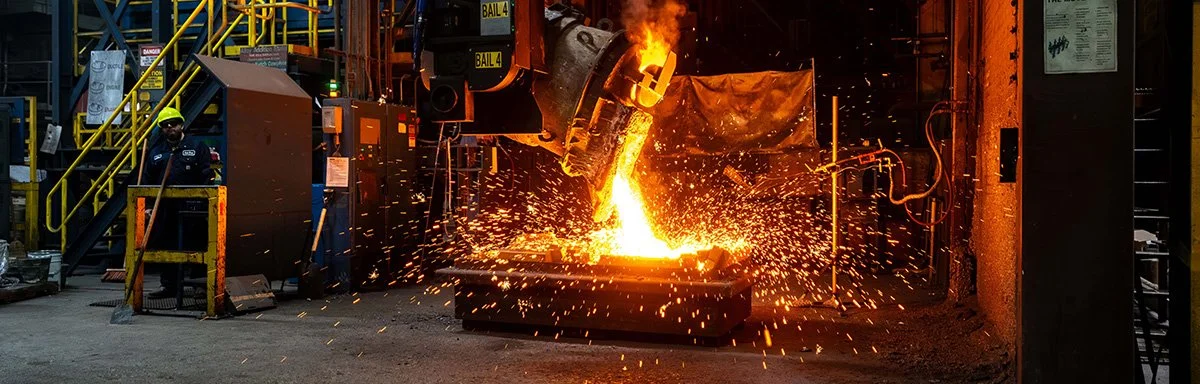
What Is Metalcasting?
how raw metal is made into something useful.
THE PROCESS
IS ANCIENT.
THE IMPACT IS
EVERYWHERE.
civilizations have used it for 5000+ years to create tools, weapons, and art.
Today, it can be anything from a tiny medical component to a massive engine part.
How It Works
At its core, the process is simple:
MELT → POUR → COOL → FINISH
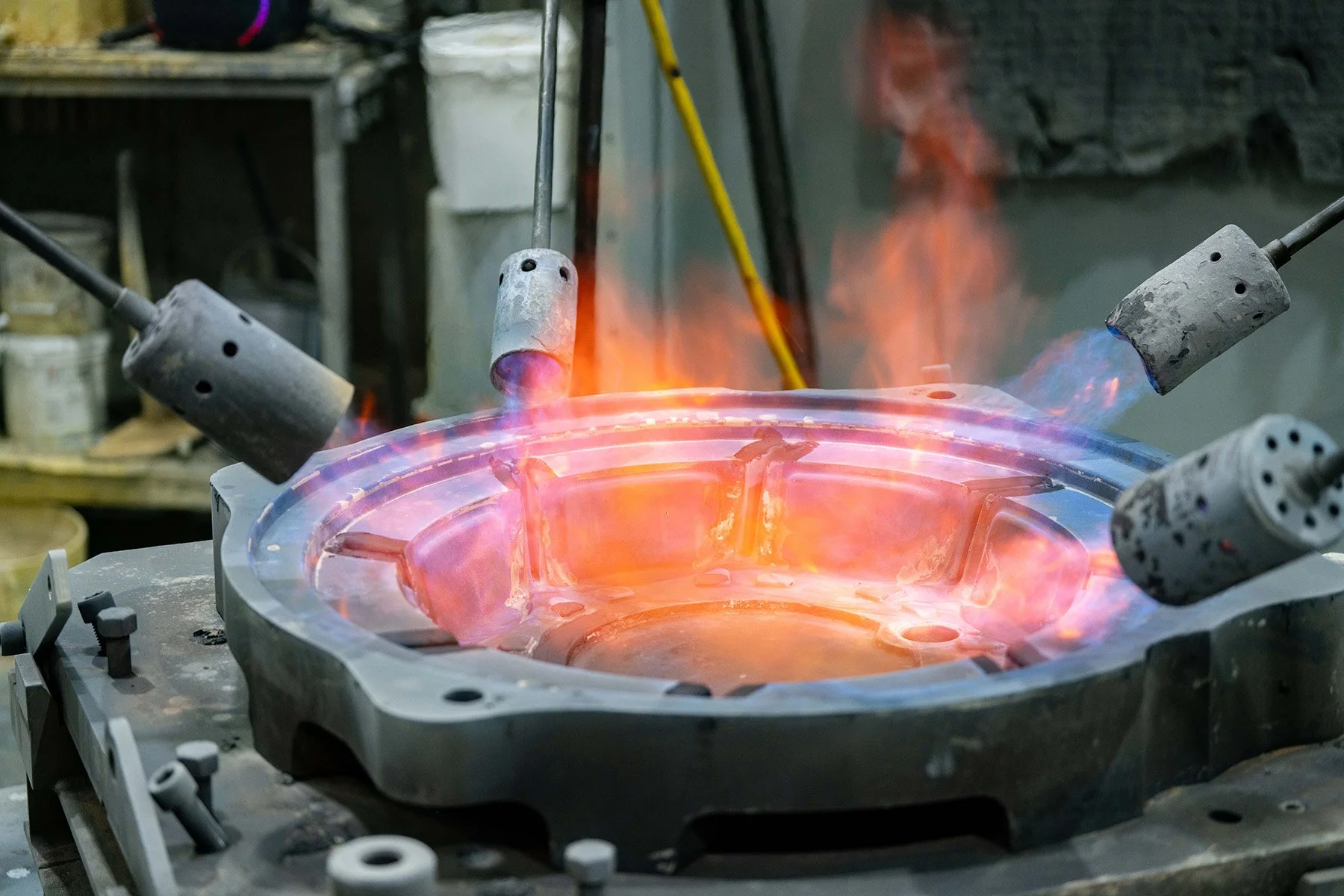
Metal is heated until it’s liquid
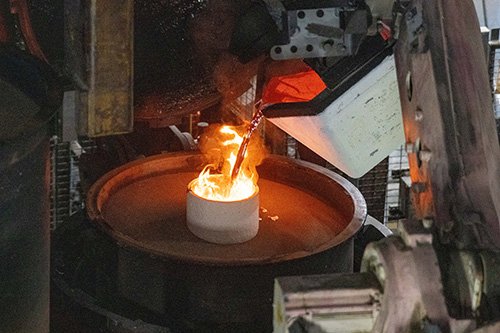
It’s poured into a mold
It cools and solidifies
The part is cleaned, tested, and finished
That’s the foundation.
But behind each step is a mix of precision, technology, and skill that makes sure every part performs exactly the way it should.
It’s Bigger Than You Think
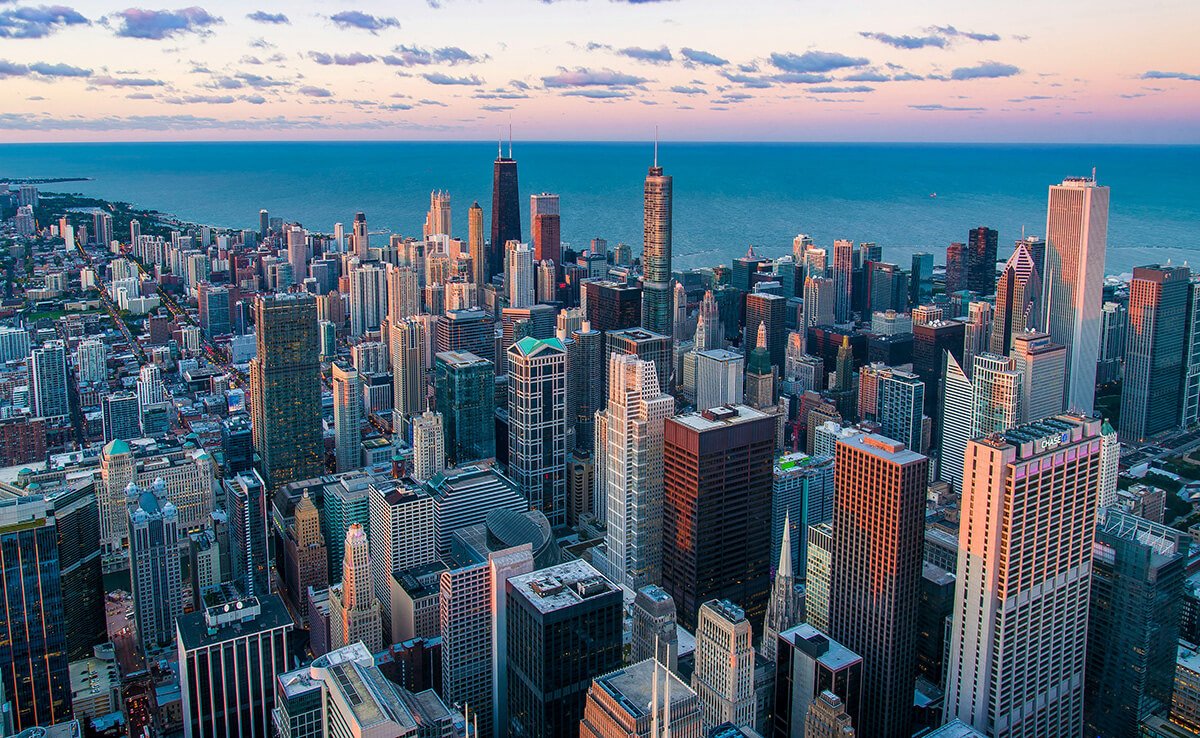
While you might not have heard about it before, Metalcasting isn’t some obscure thing. It’s everywhere.
Vehicles
Aerospace
Medical Equipment
Infrastructure
Energy
Technology
Construction
Home Appliances
Most people never see it. But they rely on it every day.
NOT ONE
PROCESS
—MANY.
There isn’t just one way to cast metal.
Different parts require different methods depending on size, material, and precision.
Sand Casting
The most widely used method. Great for large, complex parts.
Die Casting
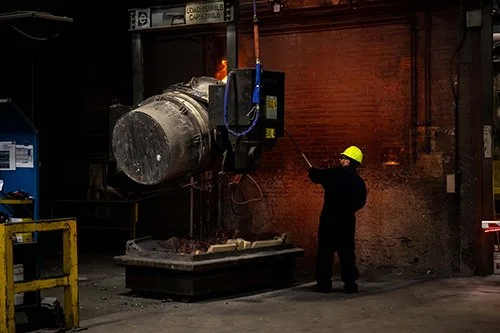
High-speed, high-volume production using metal molds.
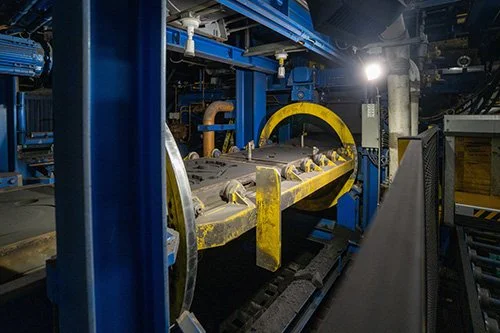
Investment Casting
Extremely precise. Used for detailed or complex shapes.
Permanent Mold Casting
Reusable molds for consistent, repeatable parts.
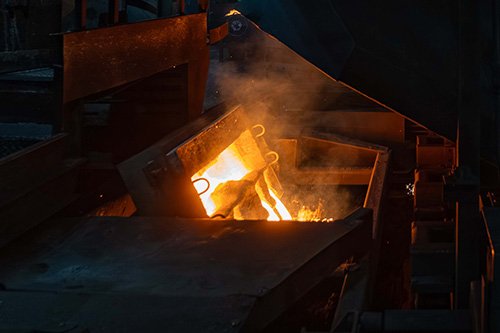
Lost Foam Casting
Uses foam patterns that evaporate during the process.
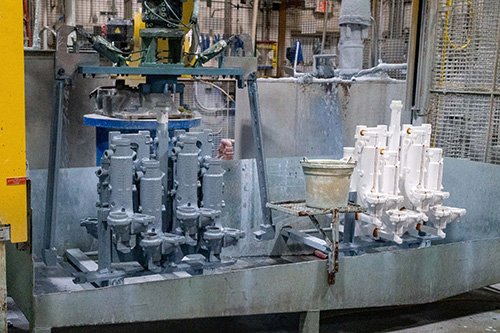
Each method has its place, and each requires different skills, tools, and expertise.
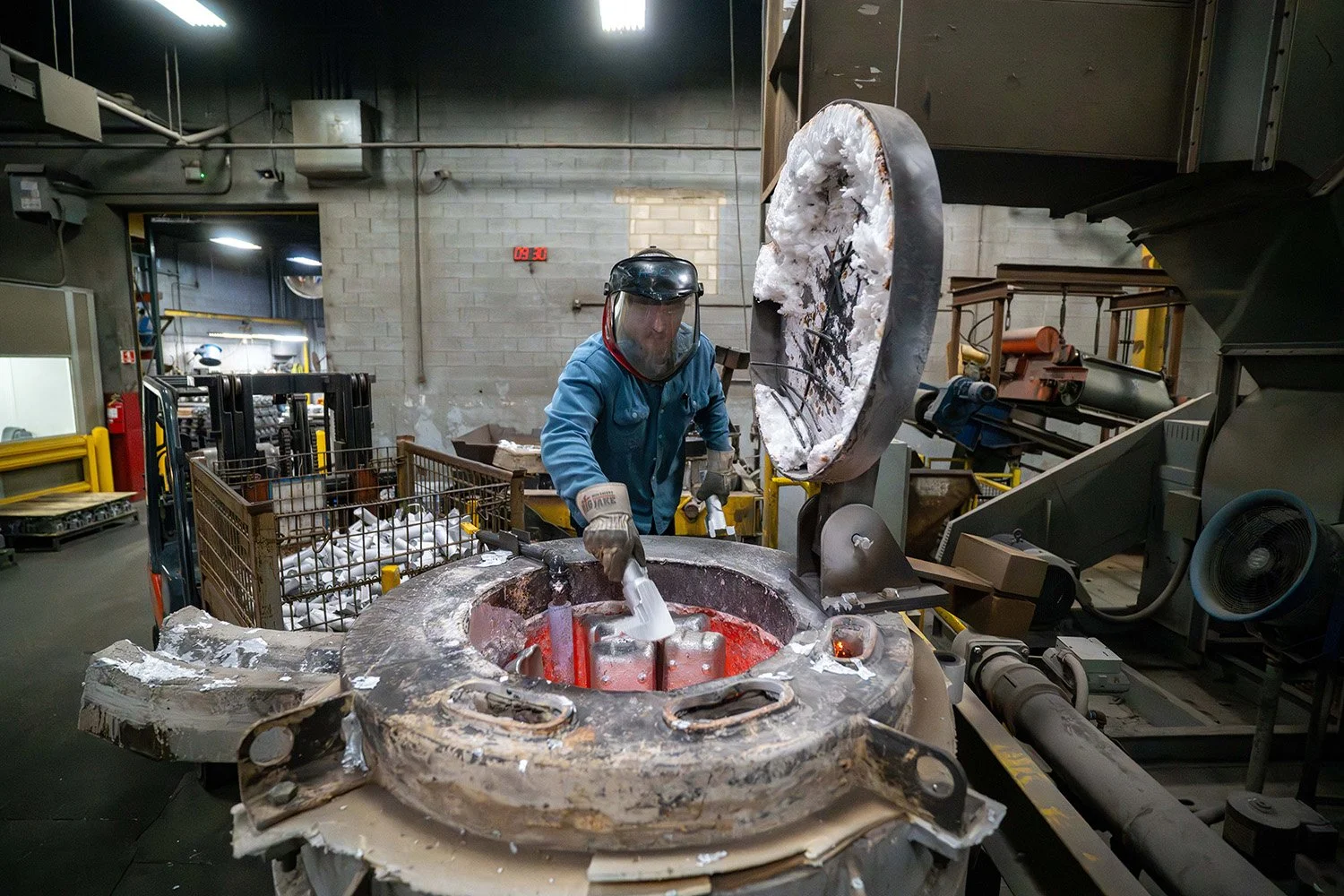
Where Craft Meets Technology
Metalcasting isn’t just
“old school.” It’s a mix of tradition and modern technology.
Today’s foundries use:
Robotics and automation
Digital modeling and simulation
Advanced materials testing
AI-assisted process improvements
But even with all that technology, it still depends on people. People who understand the process, solve problems, and make it all work.
Without metalcasting,
modern life doesn’t work.
It’s not a “nice to have” industry. It’s fundamental.
It’s how we build the systems that move, power, protect, and connect the world. And it’s not going anywhere.